
Exploring biblical prophecy reveals seven key indicators, drawn from scripture, potentially signaling Christ’s return, offering guidance amidst uncertain times and fostering hopeful readiness.
Theological Significance of the Second Coming
The Second Coming isn’t merely a future event; it’s central to God’s overarching salvific plan, fulfilling scriptural prophecies and validating His promises. Understanding its theological weight reveals Christ’s return as the culmination of redemptive history, offering ultimate justice and restoration for creation.
This event signifies the complete triumph of good over evil, establishing God’s eternal kingdom. Analyzing scripture concerning Christ’s return illuminates His character – faithful, just, and merciful. Recognizing the seven signs isn’t about predicting a date, but about discerning God’s unfolding narrative and aligning our lives with His will, preparing for a glorious future.
Biblical Basis for Identifying Signs
The foundation for recognizing signs preceding Christ’s return lies within scripture itself. Jesus, in Matthew 24 and Luke 21, explicitly warned of events accompanying His return, labeling them as “the beginning of sorrows.” These passages, alongside prophetic books like Daniel and Revelation, provide a framework for understanding end-time indicators.
Identifying these signs isn’t about sensationalism, but responsible biblical interpretation. The seven signs – war, famine, false prophets, apostasy, persecution, global gospel proclamation, and Israel’s restoration – are rooted in specific prophecies. Studying these scriptures allows believers to discern God’s unfolding plan and remain vigilant, awaiting His glorious appearing with informed hope.
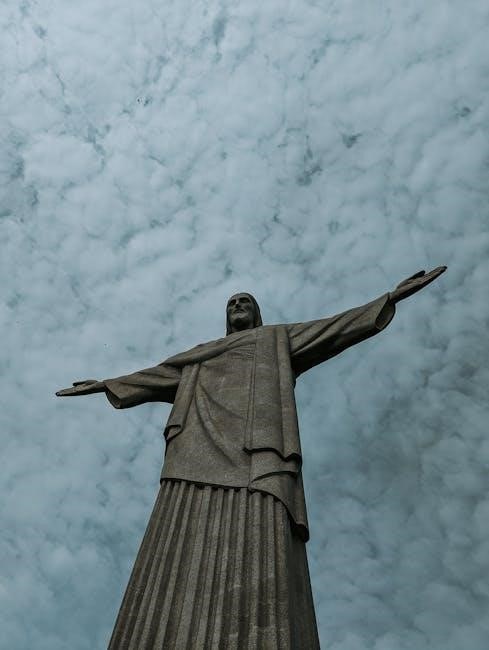
Seven Key Signs of Christ’s Return
These indicators—war, famine, deception, apostasy, persecution, evangelism, and Israel’s restoration—offer a scriptural lens for understanding the times and preparing for His return.

Increase in Global Conflicts and Wars
Scripture foretells a marked increase in global conflicts as a sign preceding Christ’s return, identifying it as merely “the beginning of sorrows” (Matthew 24:8). Throughout history, wars have been prevalent, but the frequency and intensity appear to be escalating in our modern era.

Contemporary examples, such as the conflicts in Ukraine, the Middle East, and various regional disputes across Africa and Asia, demonstrate a disturbing trend toward widespread strife. These escalating conflicts align with biblical prophecies regarding war and unrest in the last days, urging believers to remain vigilant and prayerful.
Biblical References to War and Strife
The Bible consistently links the end times with increased warfare and global unrest. Matthew 24:6-7 speaks of “wars and rumors of wars,” emphasizing that these events are not isolated incidents but precursors to Christ’s return. Luke 21:9-11 echoes this sentiment, warning of “nations rising against nation, and kingdom against kingdom.”
Furthermore, Revelation 6 depicts a series of conflicts culminating in a great tribulation. These prophetic passages collectively paint a picture of a world increasingly consumed by violence and instability. Understanding these biblical references provides a crucial framework for interpreting current events and recognizing the signs of the times.
Contemporary Examples of Escalating Conflicts
Today’s world witnesses numerous conflicts mirroring biblical prophecies. The ongoing war in Ukraine, the protracted Israeli-Palestinian conflict, and escalating tensions in regions like the South China Sea demonstrate a clear increase in global strife. Additionally, conflicts in various African nations and the rise of terrorist organizations contribute to a volatile global landscape.
These aren’t isolated events; they represent a pattern of escalating conflicts, fulfilling the biblical prediction of “wars and rumors of wars.” The sheer number and intensity of these conflicts suggest we are living in a time of heightened global instability, aligning with end-time prophecies.
Famines and Natural Disasters
Scripture foretells increased famines and natural disasters as signs preceding Christ’s return. Recent years have witnessed a surge in extreme weather events – devastating hurricanes, unprecedented wildfires, and prolonged droughts across the globe. These events disrupt food supplies, leading to localized famines and widespread food insecurity, particularly in vulnerable regions.
The increasing frequency and intensity of these disasters aren’t merely coincidental; they align with biblical prophecies describing “pestilences, famines, and earthquakes in divers places.” This pattern suggests a world increasingly susceptible to natural calamities, mirroring the predicted signs of the end times;
Scriptural Prophecies Regarding Famine
The Bible contains numerous prophecies concerning famine as a precursor to the end times. Matthew 24:7 speaks of “famines” as one of the signs accompanying Christ’s return, alongside wars and earthquakes. Luke 21:11 reiterates this, detailing “great famines” as part of the birth pangs before the Second Coming.
Furthermore, Revelation 6:5-6 describes a black horse symbolizing famine, with a scarcity of food driving up prices. These scriptures collectively paint a picture of widespread hunger and food shortages as a definitive marker of the last days, urging believers to remain watchful.
Recent Trends in Natural Disaster Frequency
Contemporary observations reveal a concerning increase in the frequency and intensity of natural disasters globally. Reports from organizations tracking these events demonstrate a clear upward trend in occurrences like hurricanes, floods, wildfires, and earthquakes. This escalation aligns with biblical prophecies foretelling increased turmoil in the last days.

While attributing every disaster directly to prophetic fulfillment is unwise, the sheer volume and severity of recent events—coupled with climate change impacts—cannot be ignored. These trends serve as a stark reminder of the world’s fragility and a call to spiritual preparedness, mirroring scriptural warnings.
Rise of False Prophets and Deception
Scripture emphatically warns of a surge in false prophets and widespread deception preceding Christ’s return, a trend demonstrably visible today. The proliferation of misinformation, coupled with the rise of charismatic leaders promoting doctrines contrary to biblical truth, creates a climate of spiritual confusion.
Social media amplifies these deceptive voices, reaching vast audiences with unprecedented speed. Discernment is paramount; believers must diligently test all teachings against the foundational truths of the Bible, guarding against being led astray by those who prioritize personal gain or distort God’s Word.
Biblical Warnings About False Teachers
The Bible contains numerous, stark warnings regarding false teachers, identifying them as wolves in sheep’s clothing who will deceive many. Jesus Himself cautioned against those who come in His name but do not represent His true teachings (Matthew 7:15).
Paul, in his letters, repeatedly urged believers to be wary of those who distort the Gospel, emphasizing the importance of sound doctrine and discerning spirits (Galatians 1:6-9). Peter warned of false prophets arising and exploiting believers with deceitful ways (2 Peter 2:1-3). These prophetic cautions remain profoundly relevant today.
Modern Manifestations of Spiritual Deception
Today, spiritual deception manifests in various forms, including the proliferation of false doctrines promoted through social media and online platforms. Many self-proclaimed prophets and teachers distort biblical truth, often appealing to emotions rather than sound reasoning.
The rise of New Age philosophies, blended with Christian terminology, presents a subtle yet dangerous form of deception. Furthermore, the spread of conspiracy theories and misinformation can distract believers from core truths. Discernment is crucial, requiring diligent study of Scripture and reliance on the Holy Spirit’s guidance to navigate these complexities.
Apostasy and Declining Morality
Scripture predicts a widespread falling away from faith, a noticeable trend in contemporary society. We observe a decline in traditional moral values, with increasing acceptance of behaviors once considered sinful. This manifests in shifting societal norms regarding marriage, sexuality, and the sanctity of life.
Furthermore, a growing indifference towards religious institutions and a rejection of absolute truth contribute to this apostasy. The pursuit of self-gratification and worldly pleasures often overshadows spiritual concerns, reflecting a departure from biblical principles and a weakening of faith among many.
Scriptural Predictions of Widespread Apostasy
The Bible foretells a significant departure from true faith before Christ’s return. 2 Thessalonians 2:3 speaks of a “falling away” – apostasy – preceding the man of lawlessness. Matthew 24:10-12 describes increased wickedness and a cooling of love among many.
1 Timothy 4:1-3 warns of later times when people will reject sound doctrine and embrace deceiving spirits. 2 Peter 3:3-4 highlights scoffers who will question the promise of His return. These prophecies collectively paint a picture of a world increasingly distanced from God’s truth and moral standards.

Observed Trends in Moral Decay
Contemporary society exhibits alarming trends mirroring biblical predictions of moral decline. A rise in secularism, diminishing respect for traditional values, and increasing acceptance of behaviors once considered sinful are readily observable. The normalization of immorality in media and entertainment contributes to a desensitization towards ethical boundaries.
Furthermore, societal divisions deepen, fueled by ideological polarization and a breakdown in civil discourse. Erosion of family structures and a decline in personal responsibility further exemplify this decay. These trends suggest a widespread rejection of God’s moral order, aligning with scriptural warnings about the last days.
Persecution of Christians
Historically, persecution has consistently followed believers, as foretold in Scripture. Today, a disturbing surge in anti-Christian sentiment and violence is globally apparent. Many nations witness escalating restrictions on religious freedom, including imprisonment, discrimination, and even physical attacks against Christians.
This persecution isn’t limited to specific regions; it’s a widespread phenomenon impacting believers across the world. The rise of extremist ideologies and hostile governmental policies contribute to this escalating threat. Despite facing adversity, Christians demonstrate unwavering faith, mirroring the resilience of early believers, fulfilling prophetic expectations.
Biblical Accounts of Persecution
The Bible vividly portrays persecution as an inherent aspect of the Christian experience. From Stephen’s stoning (Acts 7) to Paul’s imprisonments (Acts 16, 28), early believers faced relentless opposition. Jesus Himself warned disciples they would be persecuted (Matthew 5:10-12, John 15:18-21).
These accounts aren’t isolated incidents but establish a pattern. Prophecies in the Old Testament foreshadowed Messiah’s suffering and the trials of His followers. Revelation depicts intensified persecution during the end times, highlighting a spiritual battle against God’s people. Understanding these biblical precedents provides context for current global realities.
Current Global Landscape of Christian Persecution
Today, millions of Christians worldwide experience persecution for their faith. Organizations like Open Doors USA report escalating hostility in nations across Africa, Asia, and the Middle East. This manifests as violent attacks, imprisonment, discrimination, and restrictions on religious freedom.
North Korea consistently ranks as the most dangerous country for Christians, followed by nations with extremist ideologies or authoritarian regimes. Even in Western countries, subtle forms of discrimination and hostility are increasing. This global trend aligns with biblical prophecies foretelling intensified persecution before Christ’s return, demanding awareness and prayerful support.

The Gospel Preached to All Nations
Jesus commanded his followers to spread the Gospel to every nation (Matthew 28:19-20), a mission known as the Great Commission. Remarkably, despite global challenges, unprecedented progress is being made in reaching unreached people groups worldwide.
Technological advancements, like satellite television and the internet, facilitate Gospel dissemination to remote areas. Translation efforts are providing scripture in thousands of languages. While significant work remains, the accelerating pace of evangelism suggests we are nearing the fulfillment of this prophetic sign, indicating Christ’s imminent return and a world prepared for His message.

The Great Commission and Global Evangelism
Central to Christ’s return is the fulfillment of the Great Commission – spreading the Gospel to all nations (Matthew 28:19-20). Historically, this task seemed insurmountable, but today, global evangelism is experiencing unprecedented momentum.
Missionary efforts, coupled with innovative technologies, are penetrating previously inaccessible regions. The rise of indigenous missions and the dedication of believers worldwide demonstrate a powerful surge in evangelistic activity. This accelerating outreach, fulfilling Jesus’ command, serves as a compelling sign, suggesting the nearness of His glorious appearing and a world receptive to His message.
Progress in Reaching Unreached People Groups
Significant strides are being made in reaching the world’s unreached people groups – those with limited access to the Gospel. Organizations are strategically focusing on these communities, employing culturally sensitive approaches to share the message of Christ.
Technological advancements, like satellite television and internet access, are breaking down communication barriers. Increased translation efforts are providing scriptures in previously unavailable languages. This focused outreach, diminishing the number of unreached populations, aligns with biblical prophecy, indicating a world increasingly exposed to the Gospel before Christ’s return.
Restoration of Israel and Focus on Jerusalem
The modern-day restoration of Israel, culminating in its establishment as a sovereign nation in 1948, is a pivotal prophetic fulfillment. Biblical prophecies foretold the return of Jewish people to their ancestral homeland, particularly focusing on Jerusalem as a central point.
The increasing international focus on Jerusalem, coupled with its growing significance in geopolitical discussions, further underscores this prophetic trend. This restoration isn’t merely political; it’s a spiritual reawakening, aligning with scripture’s depiction of events preceding Christ’s Second Coming, marking a crucial sign of the times.
Biblical Prophecies Concerning Israel
Numerous scriptures detail God’s enduring covenant with Israel and prophecies surrounding their future. Ezekiel 36-37 foretells the regathering of Israel from the nations, a restoration of their fortunes, and a new covenant. Isaiah 11 speaks of a highway connecting nations to Israel, signifying a time of peace and access.
Zechariah 8 predicts Jerusalem being a city of truth and a dwelling place for many nations. These prophecies aren’t isolated; they weave a consistent narrative of Israel’s pivotal role in God’s end-time plan, serving as a significant marker of Christ’s impending return.
Modern-Day Restoration of Israel
The establishment of the modern State of Israel in 1948 is viewed by many as a direct fulfillment of biblical prophecy. Following centuries of diaspora, Jewish people have returned to their ancestral homeland, mirroring Ezekiel’s predictions. Jerusalem, once under foreign control, is now Israel’s unified capital, aligning with Zechariah’s prophecies.
This restoration isn’t merely political; it’s a demographic and cultural revival. The ingathering continues, with Jewish people from across the globe making aliyah. This unprecedented event, unfolding before our eyes, is considered a powerful sign signaling the nearness of Christ’s return.

Interpreting the Signs and Remaining Vigilant
Discernment is crucial when evaluating these signs, avoiding speculative date-setting and focusing on faithful living as we anticipate Christ’s glorious return.
The Importance of Discernment
Navigating the complexities of end-time prophecy demands careful discernment, a spiritual gift highlighted in Scripture. It’s vital to avoid sensationalism and instead, ground interpretations firmly in biblical context. Recognizing genuine signs requires separating them from misinterpretations or fear-mongering.
The proliferation of information, especially online, necessitates a discerning spirit to evaluate sources and claims critically. We must test everything against the unchanging truth of God’s Word, seeking wisdom and understanding through prayerful study. Discernment isn’t about predicting the future, but about recognizing God’s hand at work in the present, preparing our hearts for His return and living faithfully amidst unfolding events.
Avoiding Date-Setting and Speculation
Scripture explicitly cautions against attempting to pinpoint the exact date of Christ’s return, emphasizing that “no one knows the day or hour” (Matthew 24:36). Throughout history, countless predictions have failed, leading to disappointment and damaging credibility. Focusing on specific dates distracts from the core message: remaining vigilant and prepared at all times.
Instead of speculation, our energy should be directed towards living a life of faithful obedience, sharing the Gospel, and demonstrating Christ’s love. While recognizing the signs is important, it’s crucial to avoid obsessive analysis or constructing elaborate timelines. True preparedness lies in a transformed heart, not a calculated prediction.
Recognizing the signs of Christ’s return isn’t meant to instill fear, but rather to ignite hope and a renewed sense of purpose. These indicators serve as a call to faithfulness, urging us to deepen our relationship with God and share His love with a world in need.
Let us embrace a spirit of expectant readiness, living each day as an opportunity to honor Him. While the future remains uncertain, our confidence rests in His promises and unwavering presence. May we be found faithful, eagerly awaiting the glorious appearing of our Lord and Savior, Jesus Christ.