Overview of the Shawangunks
The Shawangunks, or Gunks, form a rugged ridge in New York’s Hudson Valley, famed for quartz‑ite cliffs and classic sport‑and‑trad routes․ First‑time climbers often rely on guides to navigate complex route finding and the region’s steep grading nuances․ It hosts festivals, workshops, and a welcoming community for all
Geographic and Geological Context
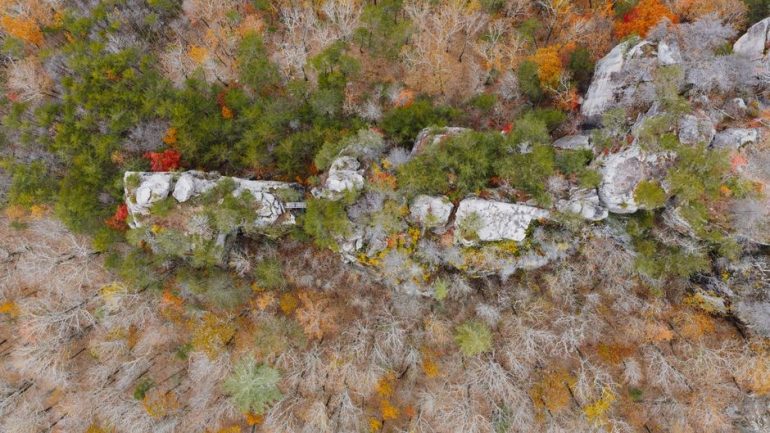
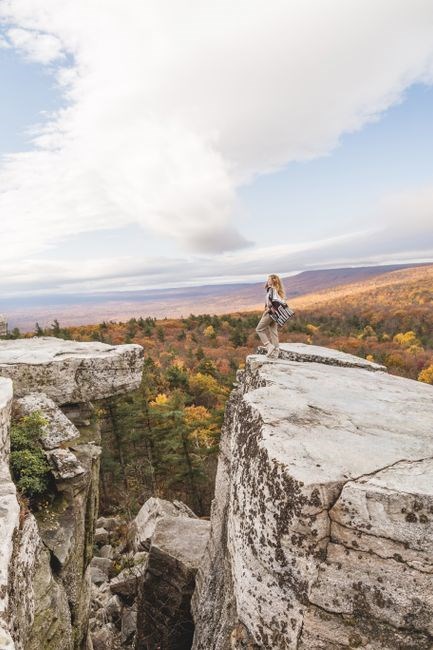
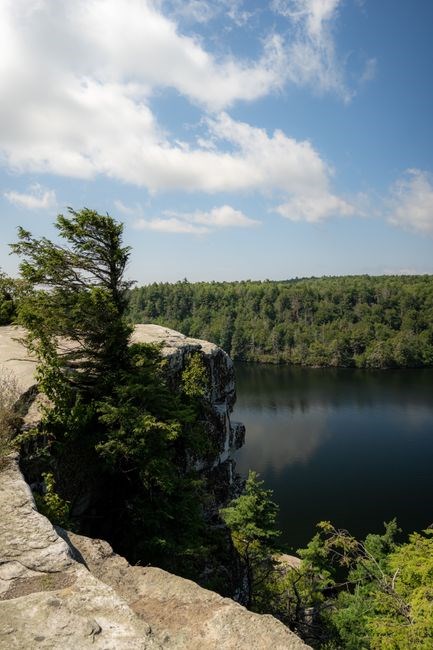
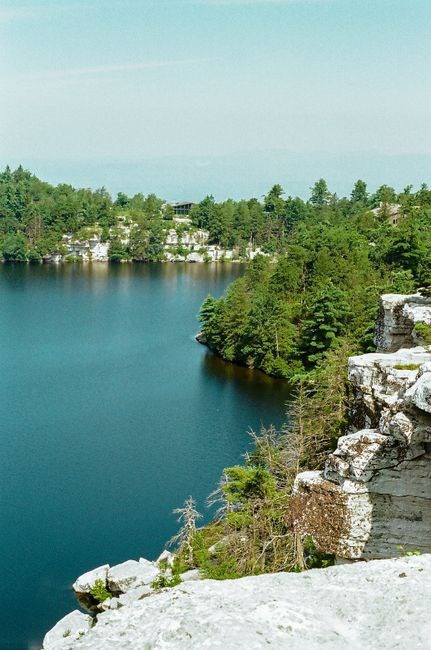
Nestled in the Hudson Valley, the Shawangunk Ridge stretches 25 mi from the Catskills to the Palisades, forming a dramatic escarpment that rises over 1,000 ft above the surrounding landscape․ The ridge’s quartz‑ite composition, a metamorphic rock formed from ancient sandstones, gives the cliffs their distinctive blue‑gray hue and razor‑sharp edges․ This rock is exceptionally hard and resistant to weathering, which has preserved the steep, vertical faces that climbers prize․ The Gunks sit within the larger Appalachian Mountain system, but their geology is unique: the quartz‑ite layer was uplifted during the orogeny, then sculpted by glacial action during the last Ice Age․ Glacial meltwater carved deep gullies and created the iconic “trapps,” narrow, steep cracks that run the length of the ridge․ The result is a complex network of routes that vary from short, exposed pitches to multi‑day climbs․ The ridge’s location at the intersection of several ecological zones—ranging from deciduous hardwood forests to alpine tundra—creates a diverse microclimate․ Summers are warm and dry, making the best climbing season from late spring to early fall, while winter brings heavy snowfall and ice, offering a different set of challenges for alpine climbers․ The surrounding area is protected by the Shawangunk Ridge State Forest and the Gunks Preserve, ensuring that the natural environment remains largely untouched․ The combination of hard rock, varied terrain, and seasonal weather patterns ensures that each ascent offers a unique experience, whether you’re tackling a classic 5․7 pitch or exploring a lesser‑known, steep crack system․
Climbing Routes and Grading
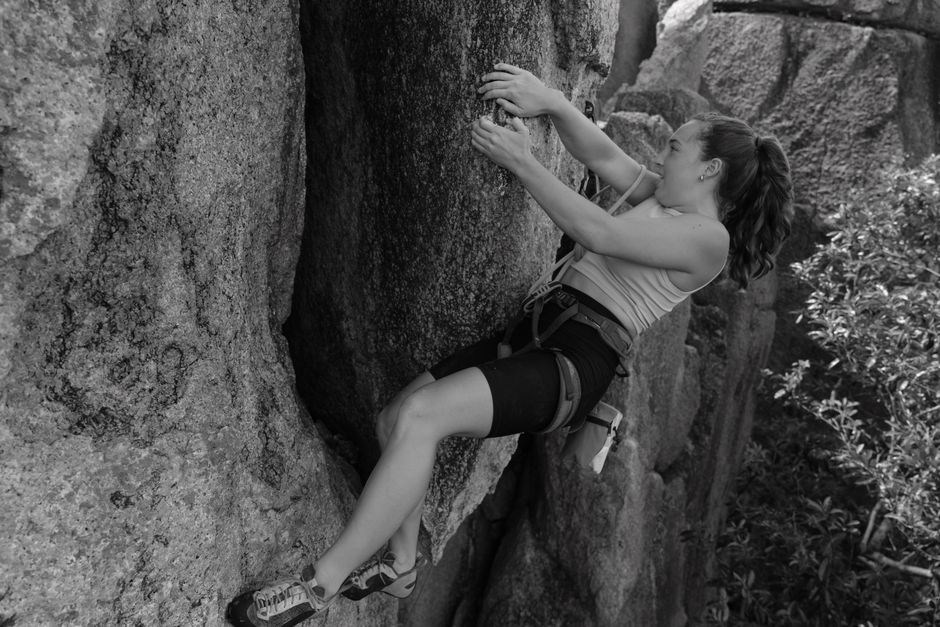
The Gunks feature over 1,000 routes, ranging from 5․4 sport climbs to 5․10 trad classics․ Grading is often stiffer; a 5․6 may feel like 5․8 elsewhere․ Guides match routes to skill level, ensuring safe, challenging ascents․ Climbers often note the Gunks’ unique friction․ daily․
Route Finding Challenges
Despite its popularity, the Shawangunks present a maze of ridges, spires, and overhangs that can confound even seasoned climbers․ The first hurdle is the sheer number of routes—over 1,000—each with subtle variations, many of which share similar names or are located in close proximity․ Traditional routes often lack fixed anchors, requiring climbers to interpret natural features such as cracks, flakes, and ledges․ Without a clear trail, a single misstep can lead to a dead‑end or a completely different face․ The terrain’s quartz‑ite composition also creates a slick surface when wet, obscuring footholds and making visual cues unreliable․ Many routes are situated on steep, exposed ridges where the only sign of a climb is a faint line of chalk or a small cairn that can be easily missed in low light․ Seasonal changes exacerbate the problem: summer fog, spring snow, and autumn leaves can hide critical landmarks․ Modern technology offers partial relief; GPS devices and the Shawangunks app provide route coordinates and maps, yet signal loss in the dense forest canopy can still occur․ Guides mitigate these risks by combining up‑to‑date GPS data with on‑ground knowledge of rock features, ensuring climbers stay on the intended path․ Additionally, the Gunks’ network of trails, such as the Long Path, intersects with many routes, but the trailheads themselves can be ambiguous, especially for newcomers․ Consequently, climbers often rely on detailed guidebooks—like “The Trapps” by Dick Williams—and local knowledge to navigate the complex web of routes safely․ Accurate topographic maps, the use of a compass, and a keen eye for subtle rock formations are essential tools for route finding in this rugged terrain․ Even experienced climbers may double‑check coordinates before ascending, as a single wrong turn can lead to a completely different face or a dangerous scramble․ The use of a handheld GPS is common, but climbers must be prepared to rely on visual cues when satellites are blocked․ Many climbers carry a small notebook to jot down route numbers and key features, which helps in recalling the correct path after a long day․ In addition, the Gunks’ unique rock texture can be used as a natural map; for example, a series of parallel cracks often indicates a particular route․ Finally, local climbing communities often share updates about route conditions, such as loose rock or new protection placements, which can dramatically alter the safest path up a face․ Route markers are often subtle, so climbers must stay alert!!․
Traditional Protection and Grade Variations
Traditional climbing in the Shawangunks relies on natural features—cracks, pockets, and flakes—for gear placement․ Climbers typically use cams, nuts, and hexes, with a preference for smaller sizes that fit the quartz‑ite’s tight seams․ Because the rock is porous, many routes require frequent gear checks; loose blocks can shift, altering protection placement․ The grading system here is nuanced: a 5․6 route may feel more like a 5․7 or 5․8 elsewhere due to the Gunks’ steep, overhanging sections․ Guides often adjust the perceived difficulty by recommending alternate pitches or protection strategies, ensuring climbers are challenged yet comfortable․ Traditional routes also feature “pitch‑to‑pitch” protection, where each segment is secured independently, demanding precise placement and a good sense of rock texture․ In contrast, sport routes employ fixed bolts, offering a more straightforward ascent but still presenting technical challenges in the Gunks’ vertical walls․ The region’s grading scale, influenced by the G-PG-R-X system, reflects both technical difficulty and exposure, helping climbers match routes to their skill level․ Proper gear selection, including a full set of cams up to 3․5 in․, a variety of nuts, and a reliable harness, is essential for safe traditional climbing․ Climbers should also carry a lightweight, durable rope—typically 60 m—to accommodate the Gunks’ long pitches․ Finally, local climbing culture emphasizes respect for the environment, so climbers are encouraged to use removable gear and leave no trace, preserving the rock for future generations․
Guided Climbing Services
Guides match skill, provide gear, and teach route‑finding in the Gunks․ Sessions cover safety, protection placement, and local etiquette․ Whether solo or group, climbers gain confidence on classic routes like High Exposure or The Ceiling․ All sessions include a safety briefing now!
Guide Companies and Skill Matching
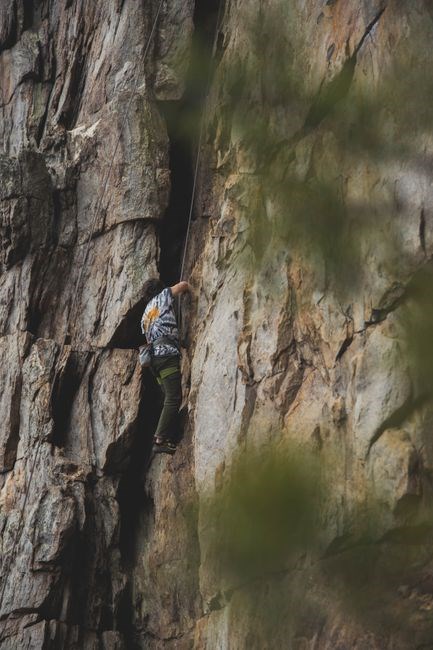
Guides in the Gunks are chosen for their local knowledge, safety record, and ability to tailor climbs to each client’s experience level․ Companies such as Alpine Endeavors, Gunks Climbing School, and local outfitters offer packages that assess a climber’s past routes, gear familiarity, and fitness before assigning a route․ The matching process begins with a brief questionnaire, followed by an in‑person or virtual briefing that covers the desired difficulty, exposure tolerance, and any specific goals․ Once matched, the guide will recommend a route that balances challenge and confidence, often selecting a classic 5․6‑5․8 climb for beginners or a 5․10‑5․11 variation for seasoned climbers․ The guide’s role extends beyond route selection: they provide technical instruction on protection placement, rope management, and situational awareness, ensuring that climbers learn skills that will serve them on future trips․ Additionally, many companies offer “skill‑building” days that focus on specific techniques such as slab climbing, crack systems, or high‑angle rope work․ By aligning a climber’s current skill set with a carefully chosen route, guides help prevent over‑exertion while still promoting growth․ This personalized approach is why many first‑time visitors return for repeat trips, confident that the company’s expertise will keep them safe and engaged․ For those seeking a more structured learning path, some outfitters provide a tiered program: an introductory day, a mid‑level workshop, and an advanced expedition, each building on the last․ The emphasis on matching skill to route ensures that climbers enjoy the experience, learn new techniques, and ultimately develop a deeper appreciation for the unique challenges of the Shawangunks․ Clients often find that the guide’s local insights—such as seasonal weather patterns, rock conditions, and access points—add depth to the climb, making each outing both safer and more memorable․ The atmosphere encourages skill exchange and camaraderie!․
Gear and Equipment Essentials
Guides supply ropes, cams, nuts, slings, and helmets․ Climbers bring breathable clothing, sturdy shoes, a hydration pack, and a lightweight backpack․ Weather‑appropriate layers, a headlamp, and a first‑aid kit complete the essential gear list for a safe Gunks outing Enjoy!․
Technical Gear Provided by Guides
When you book a guided climb in the Shawangunks, the lead guide supplies a full set of technical climbing gear, ensuring you can focus on the route without worrying about equipment logistics․ The gear package typically includes:
- Dynamic sport‑ropes (60–70 m) with a 2‑mm diameter, rated for 9 kN, suitable for both sport and trad climbs․
- Single‑rope and double‑rope systems, complete with a 5‑meter rope‑length extender for long pitches․
- A selection of cams (C3, C4, C5, C6, C7) and nuts (0‑4 mm) to cover the most common protection ranges found on the Gunks’ quartz‑ite faces․
- Stainless‑steel pitons and hexes for short, steep sections where natural gear is scarce․
- An assortment of slings (nylon and polyester), quick‑draws, and carabiners (both locking and non‑locking) to create a clean, efficient protection system․
- Helmet, harness, and a full set of belay devices (ATC, GriGri, and a backup device) to match the guide’s belay style․
- Optional: a lightweight, adjustable belay frame for multi‑pitch routes or a quick‑draw system for boulder‑style sections․
Guides also provide a dedicated, weather‑proof backpack to carry all gear, a first‑aid kit, and a spare rope in case of accidental damage․ In addition, many guide services offer a “gear‑check” before departure, ensuring every piece is in working order and properly packed․ This comprehensive equipment provision allows climbers—especially those new to the Gunks—to experience the region’s classic routes with confidence and safety․
All gear is inspected daily, with a quick‑check of cams, nuts, and slings for wear․ Guides carry a small toolkit (screwdrivers, bolt cutters, and a spare bolt) to address any on‑route mechanical issues․
The gear is stored in a padded, weather‑sealed bag that keeps it dry during transport․
Personal Gear Checklist
Before heading out to the Shawangunks, climbers should assemble a personal gear kit that complements the gear supplied by the guide․ The checklist below covers essentials for safety, comfort, and emergency preparedness․
- Clothing: Moisture‑wicking base layers, a wind‑and‑waterproof shell, and a lightweight insulated mid‑layer․ Pack a change of socks and a balaclava for cold mornings․
- Footwear: A pair of well‑broken‑in climbing shoes with a moderate heel, and a backup hiking boot for approach trails․
- Hydration: A 2‑liter water bladder or two 1‑liter bottles, plus a portable filter if you plan to refill from streams․
- Nutrition: Energy bars, dried fruit, nuts, and a light lunch that can be eaten on the move․
- Protection: Personal quick‑draws, a spare set of slings, and a small bag of spare nuts (0‑4 mm) for backup gear․
- Safety: A helmet, a multi‑tool, a first‑aid kit, and a whistle․ Include a small, waterproof flashlight or headlamp with extra batteries․
- Navigation: A topographic map of the Gunks, a compass, and a GPS device or smartphone with offline maps․
- Communication: A fully charged phone, a power bank, and a signal mirror for emergencies․
- Miscellaneous: A lightweight tarp or poncho for sudden rain, a small towel, and a reusable snack bag․
Climbing in the Shawangunks demands readiness for sudden weather changes, so pack an extra layer of windproof fabric and a compact rain poncho․ If traveling with a partner, consider sharing a spare rope or a second set of quick‑draws․ Always inform someone of your itinerary and expected return time․ The guide’s schedule will include a safety briefing, so bring any personal medical information that might be relevant․
Remember that the Gunks’ quartz‑ite can be abrasive; use a protective glove or a small pad on your hands when handling gear․ Also, bring a small, collapsible bucket for collecting water or cleaning your shoes․ Finally, keep a small notebook or a note‑app open to jot down route observations or any changes in conditions!!
Resources and Apps
The Gunks app offers route maps, GPS waypoints, and a guide to Trapps; Download the official guidebook app for offline access to route details, grades, and photos․ Use the “Gunks” community forum for trip reports, gear tips, and local weather alerts․ Sync with app for updates․ soon! go
Shawangunks App Features
Explore the Gunks with a single tap․ The app delivers a detailed map overlay of the entire range, complete with contour lines, trailheads, and the most popular climbing routes․ Each route entry includes a concise description, difficulty rating, gear recommendations, and a photo gallery that showcases the route’s key features․ The GPS waypoint system lets climbers follow the exact path even when visibility is low, and the offline mode ensures that you never lose access to critical information during a remote climb․ Users can log their ascents, rate the difficulty, and leave comments that help future climbers gauge conditions․ The app also integrates real‑time weather data from local stations, providing alerts for sudden storms or high winds that could affect safety․ A built‑in safety checklist reminds you to check your harness, helmet, and rope before you start․ For those who prefer a guided experience, the app lists certified guide companies, their available routes, and the skill level required․ In addition, a community forum allows climbers to share trip reports, gear reviews, and route updates․ The interface is designed for quick navigation, with swipe gestures to switch between map, route list, and personal log․ Whether you’re a first‑time visitor or a seasoned alpinist, the Shawangunks app turns your phone into a comprehensive climbing companion․ The developers continually update the database, adding new routes and correcting existing ones based on climber feedback, ensuring the information remains current and reliable for every expedition․ Additionally, the app’s social feature lets you follow friends, compare stats, and plan group climbs with ease․ Enjoy the adventure․!!!!!!!
Key Guidebooks: The Trapps and Others
The Trapps, first published in 1978, remains the definitive guide to the Gunks’ classic routes․ Its gray cover has earned it the nickname “gray Dick,” distinguishing it from earlier editions․ The book offers detailed route descriptions, including variations, protection placements, and key features․ Climbers rely on its step‑by‑step guidance to navigate the region’s complex terrain․ In addition to The Trapps, other essential guidebooks include the “Shawangunks Climbing Guide” by Dick Williams, which provides updated route listings and a comprehensive overview of the area’s geology and history․ The “Gunks Guidebook” by the American Alpine Club offers a concise reference for new climbers, while the “Climbing the Gunks” volume by the New York State Climbing Association includes safety protocols and a map of the entire ridge․ The “Climbing the Gunks: A Guide to the Adirondack Mountains” by Mark Johnson, 2015, expands on seasonal variations and offers a detailed weather outlook․ The “Gunks: A Climber’s Handbook” by Susan Lee, 2018, focuses on gear selection and traditional protection techniques specific to quartz‑ite; The “Guide to the Gunks” by the New England Mountain Club, 2020 edition, provides a user‑friendly layout with color‑coded routes and a downloadable PDF․ These resources collectively cover the full spectrum of climbing styles, from traditional to sport, and are indispensable for planning a safe and enjoyable adventure in the Shawangunks․ These guidebooks give climbers the knowledge, confidence, and inspiration to safely explore the Gunks’ diverse routes for all skill levels․ !!