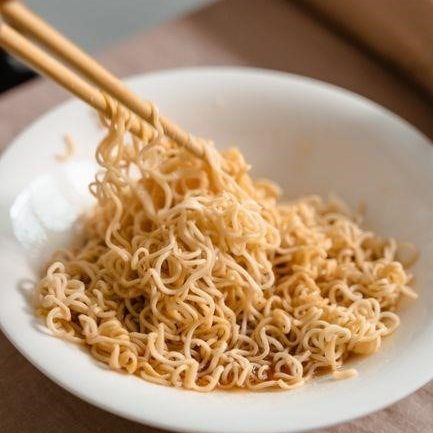
Ingredients Overview
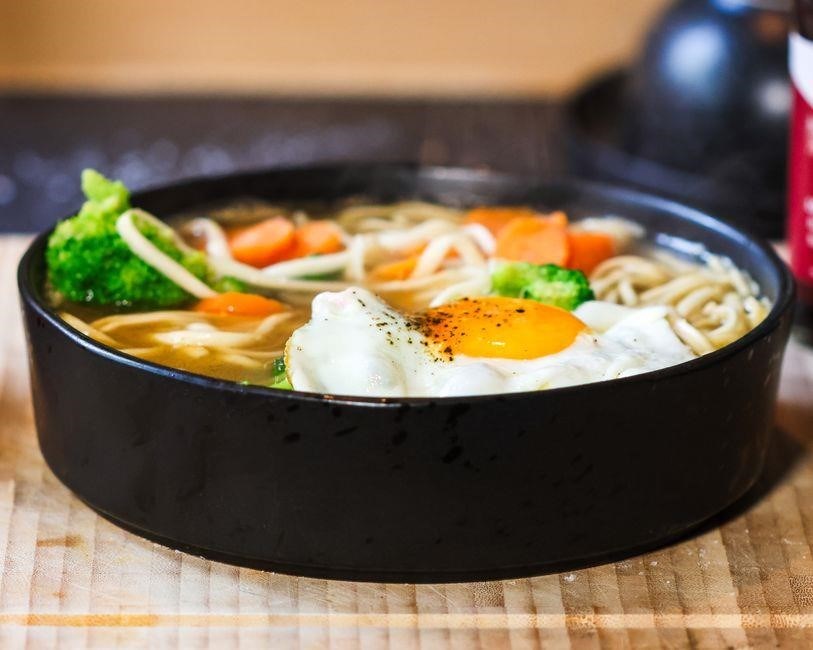
Base broth from chicken stock‚ garlic‚ ginger‚ scallions‚ soy sauce. Choose tofu‚ chicken‚ or pork. Add bok choy‚ carrots‚ mushrooms. Use ramen or udon noodles. Top with fried onions‚ pickled veggies‚ sesame seeds. Serve hot with a splash of lime and a pinch of chili flakes and a dash of sesame.
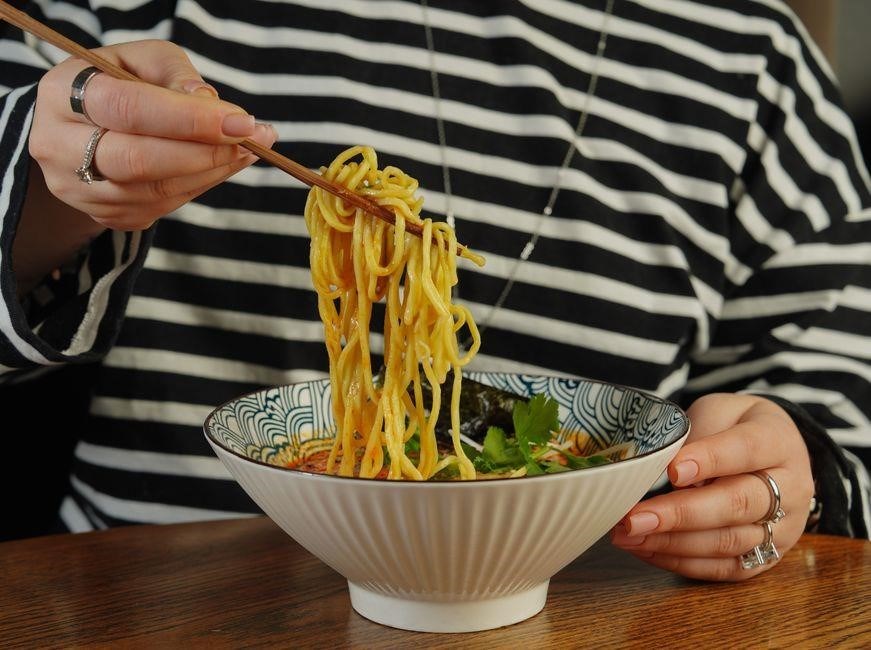
Base broth made from chicken stock‚ garlic‚ ginger‚ scallions‚ and soy sauce; protein options include tofu‚ chicken‚ or pork; vegetables such as bok choy‚ carrots‚ and mushrooms; noodles like ramen or udon; and toppings like fried onions‚ pickled vegetables‚ and sesame seeds.
Base broth: Start with a generous ladle of high‑quality chicken stock‚ simmered to release its savory depth. Add a handful of minced garlic cloves‚ a few thin slices of fresh ginger‚ and a couple of scallion stems‚ all sautéed briefly in a splash of neutral oil until fragrant. Finish the liquid with a measured splash of light soy sauce to balance sweetness and umami. Protein options: for a plant‑based bowl‚ cube firm tofu and lightly pan‑sear until golden; for poultry lovers‚ slice chicken breast thinly‚ season with salt and pepper‚ and sear until just cooked; for pork‚ thinly slice pork tenderloin‚ sear quickly‚ and let the fat render. Vegetables: julienne carrots for crunch‚ shred bok choy for a mild peppery bite‚ and slice shiitake or button mushrooms for earthy aroma. Noodles: choose ramen or udon; ramen offers a chewy bite‚ udon delivers a silky texture. Cook noodles in a separate pot to al dente‚ then rinse with cold water to stop the cooking process and keep them from sticking. Toppings: lightly fry sliced onions until caramelized for sweet crunch; prepare pickled daikon or cucumber for a bright‚ acidic contrast; toast sesame seeds until fragrant and sprinkle for nutty flavor. Assemble the bowl by layering the noodles‚ pouring the hot broth‚ arranging protein and vegetables‚ and finishing with the crunchy onions‚ pickled vegetables‚ and a generous dusting of sesame seeds. For an extra layer of flavor‚ consider adding a teaspoon of toasted sesame oil to the broth before serving‚ and a squeeze of fresh lime juice to brighten the overall profile. Additionally‚ a handful of fresh cilantro leaves can be sprinkled on top for a burst of herbal freshness. Finally‚ a pinch of white pepper enhances the subtle heat.
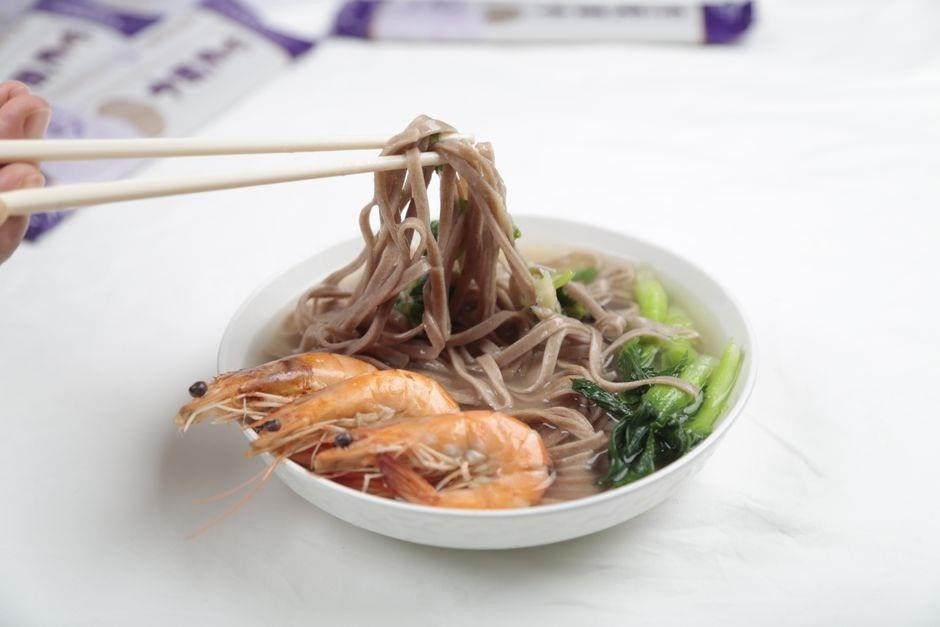
Equipment and Prep Tools
Large stockpot‚ wok‚ cutting board‚ sharp knife‚ measuring spoons‚ ladle‚ bowl set‚ small strainer‚ and a heat‑resistant silicone spatula. medium saucepan‚ stainless steel ladle‚ bamboo steamer‚ colander‚ and a wooden spoon. and a heat‑proof silicone mat. for safety.!!
Large stockpot‚ wok‚ cutting board‚ sharp knife‚ measuring spoons‚ ladle‚ bowl set‚ and a small strainer for the broth.
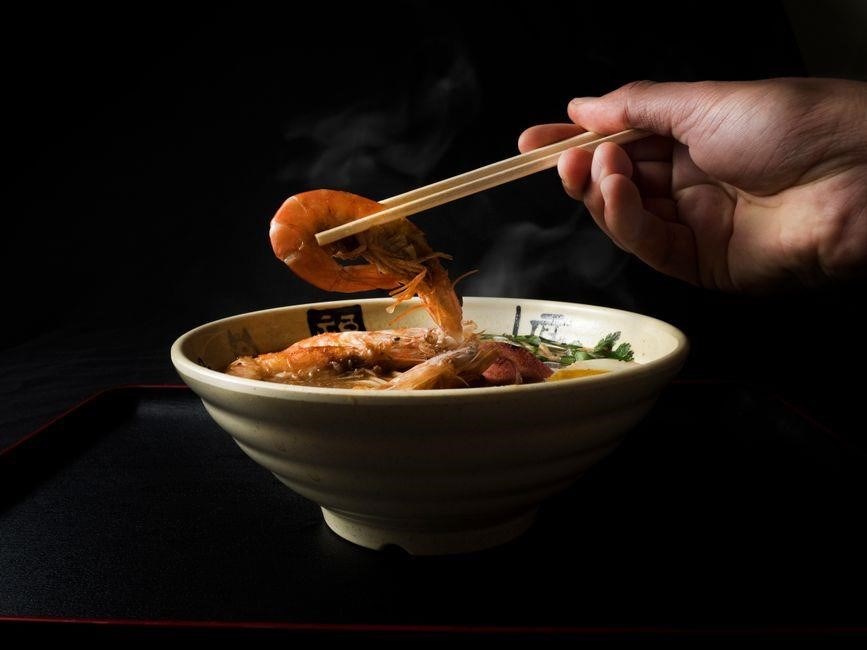
Before you begin‚ gather all the tools that will make the process smooth and efficient. A large stockpot is essential for creating a rich‚ layered broth; its wide base allows for even heat distribution and ample space for aromatics to infuse. A wok is perfect for quickly sautéing garlic‚ ginger‚ and scallions‚ giving the broth a fragrant foundation. A sturdy cutting board and a sharp knife will help you dice vegetables and slice protein with precision. Measuring spoons ensure you add the right amount of soy sauce‚ sesame oil‚ and any optional seasonings‚ maintaining balance in flavor; A ladle is indispensable for transferring the broth from pot to bowl without spilling. A set of bowls—ideally one for the broth and another for the noodles—helps keep components separate until serving. Finally‚ a small strainer or fine‑mesh sieve is vital for removing solids from the broth‚ resulting in a clear‚ silky texture. Using these tools correctly not only saves time but also elevates the overall quality of the soup and noodle bowl‚ ensuring each bite is a harmonious blend of aroma‚ texture‚ and taste. Proper heat control prevents scorching; keep broth at a gentle simmer and stir occasionally. When cooking noodles‚ use a timer to avoid overcooking. Keep the wok warm to sauté quickly. Store leftover broth in a sealed container to preserve flavor. Taste the broth before adding protein‚ adjust salt or soy sauce. Add crushed red pepper. Cover the bowl to warmthnow.
Preparing the Broth
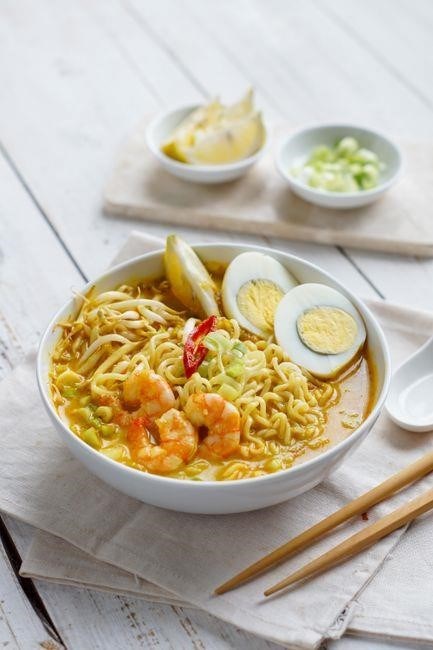
Saute garlic‚ ginger‚ and scallions in a splash of oil until fragrant. Add chicken stock‚ soy sauce‚ and a pinch of salt. Bring to a gentle simmer‚ then lower heat and let it cook for 30 minutes‚ allowing flavors to meld. Strain the broth to remove solids‚ leaving a clear‚ aromatic base. Enjoy.
Saute aromatics in oil‚ add stock and seasonings‚ simmer for 30 minutes‚ then strain to achieve a clear‚ flavorful base.
Begin by heating a tablespoon of neutral oil in a large‚ heavy‑bottomed pot over medium heat. Add finely minced garlic (about 3 cloves)‚ freshly grated ginger (1 inch)‚ and sliced scallions (the white and light green parts). Sauté for 2–3 minutes until the aromatics become fragrant and the garlic turns a light golden hue‚ being careful not to burn them. Next‚ pour in 6 cups of high‑quality chicken stock‚ ensuring it covers the aromatics by at least an inch. Stir in 3 tablespoons of soy sauce‚ 1 teaspoon of toasted sesame oil‚ and a pinch of sea salt to balance the flavors. Bring the mixture to a gentle boil‚ then reduce the heat to low and let it simmer uncovered for 30 minutes. During this time‚ the stock will absorb the aromatic profile‚ developing depth and complexity. After the simmer‚ use a fine‑mesh strainer lined with a clean kitchen towel to strain the broth‚ discarding the solids. The resulting liquid should be clear‚ silky‚ and richly flavored‚ ready to serve as the foundation for your noodle bowl; If you prefer a slightly thicker broth‚ you can whisk in a tablespoon of cornstarch mixed with a splash of water before the final strain. This technique ensures a velvety texture without cloudiness.
Add a dash of rice vinegar and a teaspoon of honey before the final strain for a subtle sweet‑acid lift. This brightens the broth‚ complementing soy and ginger’s earthiness. Let the mixture rest a minute to meld flavors‚ then serve hot for a balanced bowl. Sesame oil adds depth‚ chili flakes brighten aroma and zest.
Cooking the Noodles
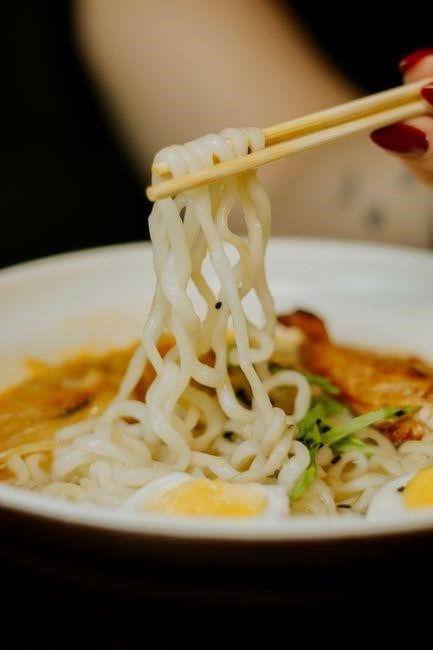
Bring a pot of water to a rolling boil. Add 200 g of ramen noodles and cook for 3–4 minutes until al dente. Drain‚ rinse under cold water to stop cooking‚ and toss with a teaspoon of sesame oil to prevent sticking. Keep warm until serving. Serve immediately with fresh herbs for extra aroma.!!!
Boil noodles in separate pot until al dente‚ drain‚ rinse with cold water‚ and keep warm to prevent sticking.
Begin by filling a large saucepan with water‚ at least two inches above the noodle level. Bring to a vigorous boil over high heat; a rolling boil ensures even cooking. While waiting‚ prepare a colander and a bowl of ice‑cold water to stop the cooking once noodles are al dente. Add a pinch of sea salt to enhance flavor. Gently slide the noodles into the pot‚ stirring immediately to prevent clumping. For ramen‚ cook 3‑4 minutes; for udon‚ 5‑6 minutes. Keep a close eye on the pot‚ as the boiling point can fluctuate with added ingredients. When noodles are al dente‚ lift the pot with a slotted spoon and pour into the colander. Rinse under cold water‚ swirling to remove excess starch that can cause sticking. Shake the colander to drain. Transfer noodles to a heat‑resistant bowl‚ drizzle a teaspoon of oil‚ and toss lightly to coat; this keeps them from sticking together. Cover with a lid or cloth to retain warmth. When ready to assemble‚ scoop noodles into the bowl‚ pour hot broth‚ and add protein and vegetables. The noodles stay fresh‚ tender‚ and ready to mingle with broth and toppings. Finally‚ let the noodles rest for a minute to absorb any remaining broth‚ then serve immediately for the best texture. A pinch of chili flakes adds brightness heat! Serve immediately‚ letting the steam mingle with the aromatic broth‚ and enjoy the harmonious blend of textures and flavors that dance on your palate. Savor the warmth and aroma.!
Assembling the Bowl
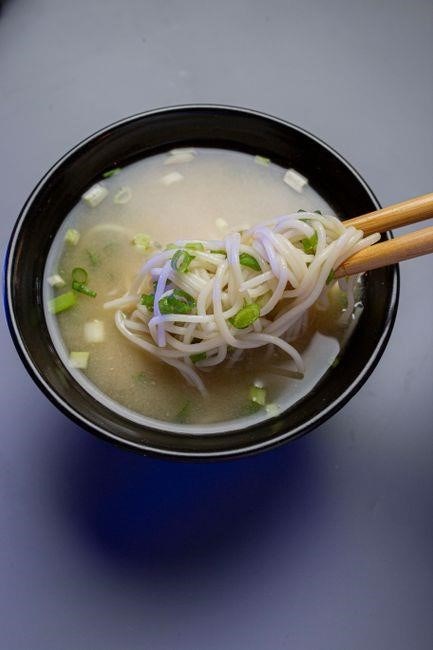
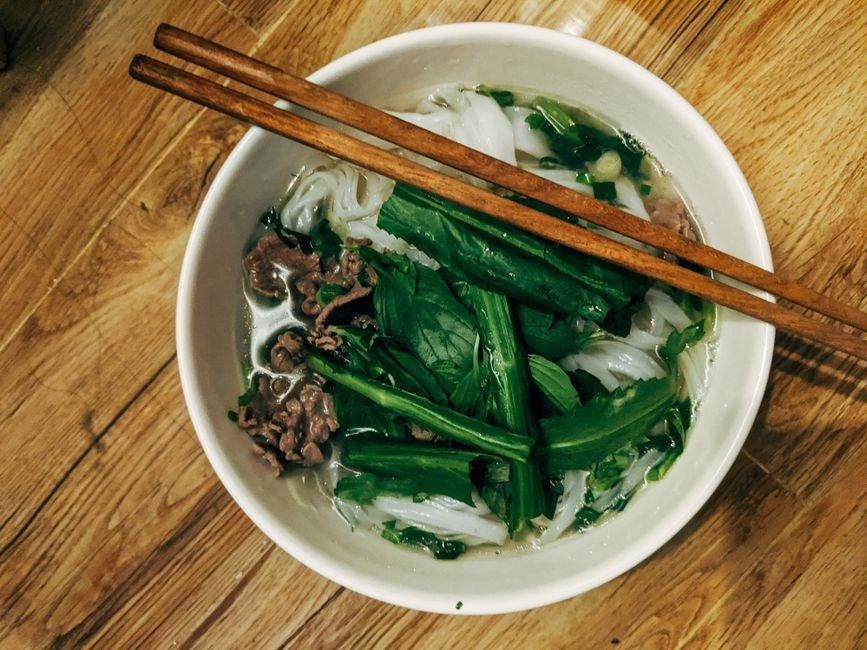
Place cooked noodles at the bowl’s base‚ pour steaming broth‚ arrange protein‚ then scatter fresh bok choy‚ carrots‚ and mushrooms. Finish with a drizzle of sesame oil‚ a sprinkle of sesame seeds‚ and a dash of chili flakes for a bright finish and a splash of lime zest‚ chili oil herbs now.
Place cooked noodles at bottom‚ pour hot broth‚ arrange protein and vegetables‚ and top with garnishes.
Begin by placing a generous mound of freshly boiled noodles in the center of a wide‚ shallow bowl. Carefully ladle the aromatic broth—still steaming—over the noodles‚ ensuring the liquid covers the strands completely. Next‚ distribute the chosen protein—whether silky tofu cubes‚ succulent chicken slices‚ or tender pork strips—across the noodle surface‚ allowing each piece to absorb the broth’s savory notes. Tuck in crisp‚ julienned bok choy‚ bright orange carrot ribbons‚ and earthy shiitake or enoki mushrooms‚ arranging them in a visually pleasing mosaic. Finally‚ crown the bowl with a flourish of garnishes: a scattering of toasted sesame seeds‚ thinly sliced scallions‚ a drizzle of fragrant sesame oil‚ and a pinch of crushed red pepper for heat. A squeeze of fresh lime juice adds a bright‚ citrusy contrast‚ while a few drops of chili oil introduce a subtle smokiness. Serve immediately‚ encouraging diners to stir the mixture before tasting so that every bite delivers a harmonious blend of textures and flavors.
When the bowl is assembled‚ the steam rises like a fragrant cloud‚ inviting the diner to inhale the aroma before tasting; The noodles should be slightly al dente‚ providing a subtle chew that contrasts with the tender protein and crisp vegetables. The broth’s umami depth is amplified by the toasted sesame seeds‚ while the chili oil adds that lingers on the palate. A final splash of lime brightens the dish‚ cutting through the richness and leaving a clean finish.Enjoy!!
Garnishing and Presentation
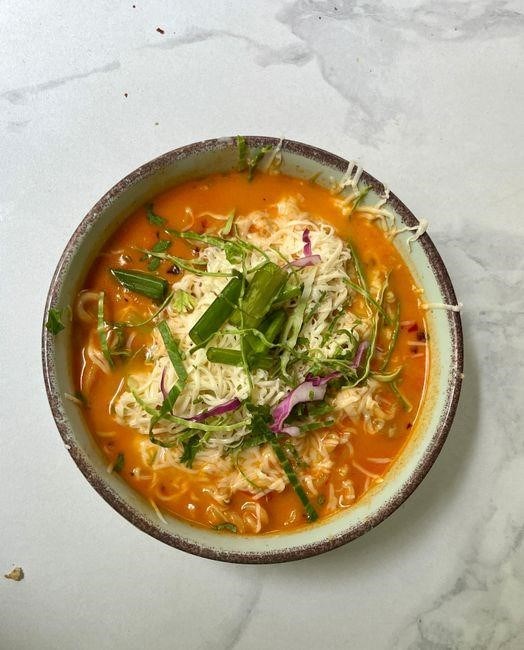
Finish the bowl with touch: scatter fresh scallion rings‚ drizzle fragrant sesame oil‚ scatter crushed red pepper‚ and sprinkle toasted sesame seeds. Arrange garnishes in a fan shape for visual appeal‚ then serve to enjoy aroma and color. Serve for flavor‚ letting steam rise before tasting.!
Add sliced scallions‚ a drizzle of sesame oil‚ crushed red pepper‚ and a sprinkle of sesame seeds for aroma and color.
To elevate the final dish‚ carefully arrange the garnish to create a visual and aromatic crescendo. Thinly slice scallions‚ ensuring the white and green parts are separated for contrasting textures. Drizzle a modest amount of toasted sesame oil over the bowl‚ letting the nutty aroma mingle with the broth’s warmth. Sprinkle crushed red pepper flakes evenly‚ adding a subtle heat that balances the savory base. Finish with a light dusting of toasted sesame seeds‚ which not only adds a pleasant crunch!!!!. The combination of these elements transforms a simple noodle bowl into a multi‑sensory experience‚ inviting diners to appreciate the harmony of flavors‚ textures‚ and colors before the first spoonful.
When plating‚ arrange the scallion rings in a circular pattern around the bowl’s rim‚ allowing the green to contrast with the broth’s amber hue. Drizzle the sesame oil in a thin line from the center outward‚ creating a subtle sheen that catches the eye. Scatter the red pepper flakes in a gentle shower‚ ensuring each bite receives a balanced kick. Finish the garnish with a final dusting of sesame seeds‚ which not only adds crunch but also reflects light‚ giving the bowl a warm‚ inviting glow. This meticulous attention to detail turns a comforting meal into a feast for the senses‚ encouraging diners to savor each element in harmony. and a pinch of salt!!.
Finally‚ a splash of lime brightens the bowl‚ adding a zesty finish to broth!
Storage and Reheating Tips
Store broth in an airtight container; reheat gently on low heat or microwave‚ stirring frequently. Keep noodles separate; reheat quickly‚ 30‑60 seconds‚ then mix. Add fresh herbs before serving to revive flavor. Avoid over‑cooking to preserve texture. Reheat noodles separately to maintain firmness. Now
Store broth separately in airtight container; reheat gently on stove or microwave; reheat noodles quickly to avoid overcooking.
When the soup has cooled‚ transfer the broth into a clean‚ airtight container—glass jars or BPA‑free plastic bottles work best. Label the container with the date so you can keep track of freshness. The broth will stay safe in the refrigerator for up to five days; for longer storage‚ portion it into freezer‑safe bags or silicone lids and freeze for up to three months. When you’re ready to reheat‚ place a measured amount of broth in a small saucepan over medium heat‚ stirring occasionally. If you prefer the convenience of a microwave‚ pour the broth into a microwave‑safe bowl and heat on medium power for 45 seconds‚ then stir and repeat until it reaches a gentle simmer. Avoid letting the broth boil for extended periods‚ as this can flatten the savory notes and cloud the clear base.
Noodles‚ on the other hand‚ are more delicate. They absorb liquid quickly and can become mushy if overcooked. Keep the noodles in a separate container to preserve their texture. When you’re ready to serve‚ bring a pot of water to a rolling boil‚ add the noodles for 30–45 seconds‚ then drain and rinse under cold water to stop the cooking process. Toss the noodles with a light splash of sesame oil or a drizzle of soy sauce to keep them from sticking together. Finally‚ pour the hot broth over the freshly warmed noodles‚ arrange any remaining toppings‚ and enjoy a bowl that tastes almost brand‑new. This method ensures both broth and noodles retain their intended flavors and textures‚ giving you a satisfying meal every time.